Find the investors ?

Monday, August 31, 2009

Saint Louis and the History Channel


Watching the History Channel tonight regarding the I64 project and the sad conditions regarding our city’s sewers. Basically the last couple of shows involves the dire need for more funding needed to upgrade America’s infrastructure.

Instead of spending so much money on needless issues (and I am not talking about the Health care system here)…..imagine the bridges, dams, roads, sewers, levees that could be saved and kept up to date if local, state, and federal governments would get their act together. Imagine if a dam broke and not to mention the levees of New Orleans and the fiasco with Ameren UE regarding Taum Sauk reservoir spilt over December 14, 2005.

Don’t fool with Mother Nature because she fights back.

Not only was Taum Sauk a major issue, but over FOUR THOUSAND dams are unsafe and according to the History Channel the number of unsafe dams have quadrupled since 2001.

Average age of US dams are over 50 years old! States have cut inspections to the bone. Texas had seven inspectors for over 7400 dams and could only see over 230 dams….I am like wow.

???????????

Ok, off my soapbox…….for the moment.

Tuesday, August 18, 2009

Dating and the military

My first exposure to military dating was during AIT.

Well, in basic one of the drills expressed an interest in me despite the fact the senior drill told him he needed to “behave” though I personally did not do anything to direct such attention towards myself. What with getting up at oh god thirty hours in the morning along with the fierce training, PT, marches, learning, getting all bruised up, losing my voice HOW could anyone find this then 17 year old attractive?

Anyway, he persisted and I kept him at arm’s length and when he was stationed at Fort Gordon (where I also went) he still wanted to go out and I still said no.

Through the years I have seen men and women hook up through the military, some relationships lasting, allot going to the wayside.

In Korea my mouth about dropped to the ground (can you imagine that?) seeing the kind of “in-discretionary” behavior coming from unit members. Mind you, I never dated in high school so everything I was experiencing was a shock to the senses.

Now of course there are some honorable men and women out there who are faithful to their spouses, who really want to see things work out. I have seen both men and women cry over broken hearts.

Now, what really gets me going….are people who cheat on their military partner when they are deployed or away for additional schooling. I am not talking about those men and women who cheat on their spouses/boyfriends/girlfriends while deployed but those who stay true to the honor of the uniform, to the code. Those who sacrifice themselves for the greater good, for our country and get shafted because their partner couldn’t “wait” for them to come home.

How lame is that?

Anyway, I just had to vent and wonder at times where people’s heads or at…especially those who find out you serve in the military and find it “distasteful” to go out because there is always the chance that you might get deployed.

‘nough said.

Wednesday, August 5, 2009

Not a Goodbye Party


The team threw me a party for my impending departure to Team B. I had tears in my eyes reading the stuff written on the erasable chalkboard in the conference room. The food was delicious…meatballs, salad, all kinds of deserts, pasta, my chicken fried rice (received compliments…bought the mix at Aldi’s—LOVE that store)…soda etc…and of course good company…laughed and laughed.

I know it’s greener pa$tures as far as where I am headed however one cannot put a pricetag on good company and wonderful co-workers.

They will be sorely missed.


Monday, July 27, 2009

A Bronx Dream


I really enjoyed watching this documentary regarding inner city kids in the Bronx learning about the Irish culture and the music. Though a part of me feels there should be more done regarding their individual ethnic heritages I am glad there are programs such as this one which gives these kids a positive outlet and keeps them off the streets:

Known as the Keltic Dreams it was inspired by Caroline Duggan:

The Keltic Dreams Irish Dancers, are a group of 33 children ages 7-12 from Public School 59, PS 59 in the Bronx, NY. The school is situated in a low Socio Economic area in the Bronx and has a 95% poverty rate. The students are all African American and Hispanic and have no background in Irish culture. Hired by the Department of Education, I, Caroline Duggan, moved to New York over 4 years ago and began teaching music in the school. I had no intention of staying more than one year in the school but fell in love with the children’s drive to become professional. After being constantly asked by the children why I spoke funny I told them that I was from Ireland. The fascination began with questions about the Irish lifestyle, leprechauns and Irish dance. They questioned me about a huge photo of Riverdance I had hanging in the classroom . I showed the children a few steps and was truly amazed by how quick they grasped even the most complicated steps. They were fascinated with the Riverdance video from Radio City, which I still show them on a regular basis. Especially how the show incorporated different cultures into Irish dancing. With this idea in mind and with the amazing support of the principal and school, I began an Irish dancing program after school twice a week. The group The Keltic Dreams was born and have since had their own one hour show on The Plaza at Lincoln Center, in the Bronx Botanical Garden for Bronx week , St Barnabas Nursing Home, on the Band shell at Central Park, at Lehman College in the Bronx and in The Manhattan Mall at Herald Square NYC. They were the sole performers at the St Patrick’s Day Parade in Queens for Mayor Bloomberg and afterwards all the students marched in the parade joined by their parents. The Irish dance program has encouraged huge parental involvement, bringing the whole community together!!!! Much to my surprise some of the children had never been to Manhattan before they performed in these shows!!

Thursday, July 16, 2009

Another trip to Chicago

Taking my car in to get an oil change and to see if I need an alignment. I swear, we need health insurance for cars!

Going to Chicago this weekend because my sister had an accident with a dog, don’t want to get into details but as her sister it is my obligation to ensure she is doing ok. Which she is. Just needs some moral support so won’t be blogging much over the weekend and into next week since will be taking Monday and Tuesday off.

Edit: Sister called, says not to worry about coming up, we’ll do something for my 41st b-day. UGH….8 more years until I am 50……ay mamasita! Going to Saint Charles this weekend to pick up a few items to send in a care package. She seems to be doing better. Thank GOD!

Friday, July 10, 2009

Inspiration to write

I googled myself (yes am that bad) and found something I wrote awhile back here in the Saint Louis Writer’s Guild:

How do you motivate yourself? How do rejections affect your writing? Janet Terrell wrote the following article on motivation for St. Louis Writers Guild.

From the time I was thirteen years old I had an urge to express myself. I used to write out my stories longhand. Then my father gave me an old Remington typewriter, the kind that had the horrid dual ribbon with the black stripe on top and the red on bottom. Even though it was a labor of love, I still sometimes wondered what motivated me to write.

What I have found from my own personal musings is that writing is more than putting words to paper. It takes a lot of thought, time, and energy. I have asked myself many times: What motivates a person to write, to expose their soul to the world? What compels a writer to express his or her views and ideas in characters and a storyline? Most important, what encourages a writer to persevere through the highs and lows of the writing process to reach the end of a story, or what’s even more challenging, a novel?

For me, motivation comes from inspiration, and inspiration arises out of my surroundings. I typically write in an environment that evokes my creative juices. I tend to gravitate towards calm places away from my family and cat. I love sitting on my bed with my laptop, door shut, allowing my mind to focus on the task at hand.

I began my first novel more than twenty years ago. I had watched the television mini-series North & South. I was inspired. This movie was all I needed to embark on my venture into the world of Historical Romance. However, what I found from reading a variety of this genre is that I do not like heavily laden novels dripping with sex or drowning in too many historical particulars. I had heard that one should write what one loves to read and so I was motivated to create historical romances that combined sex and history without overdoing it.

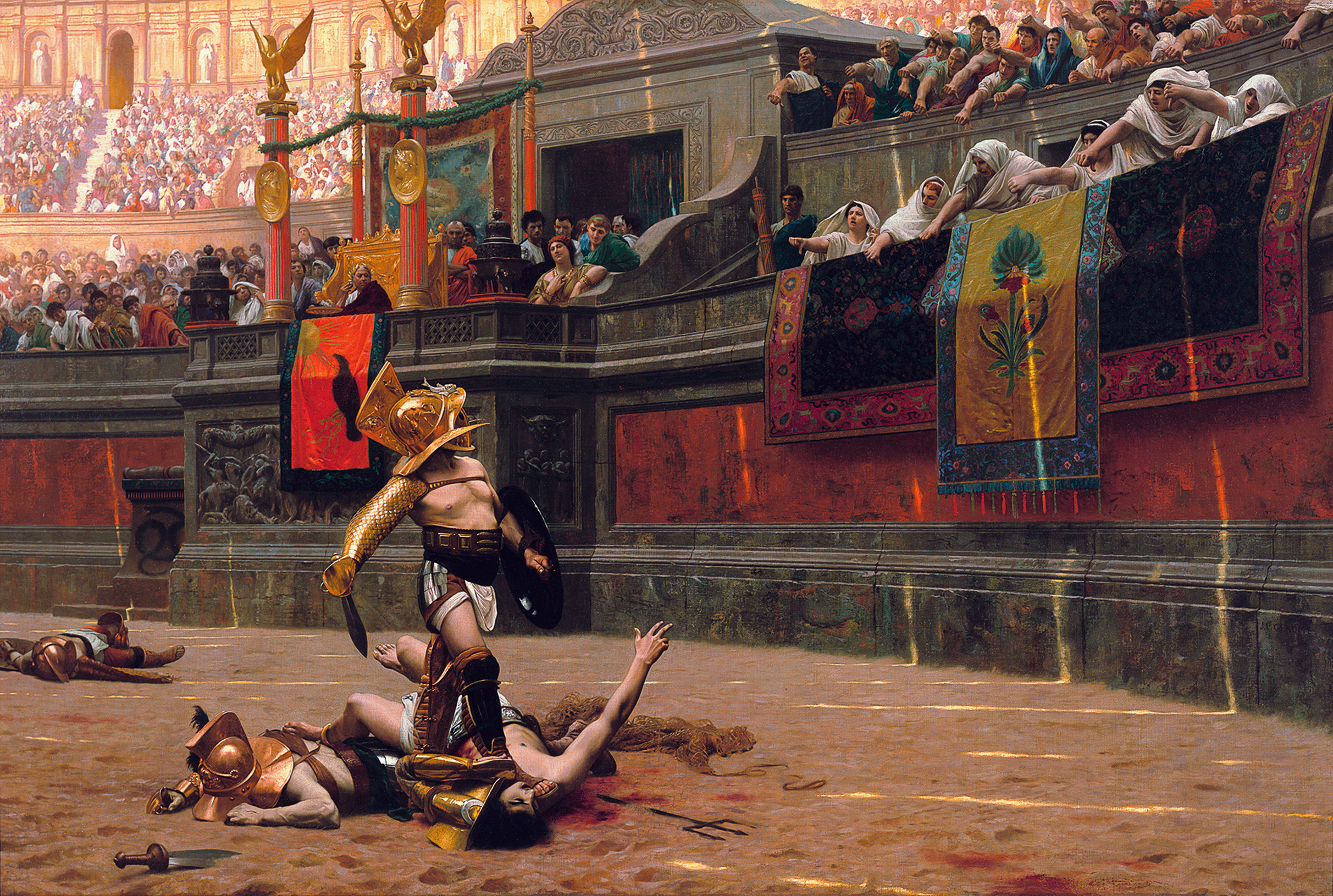
One of the ways I motivated myself to finish my first novel was by listening to inspiring music. The soundtrack to the movie Gladiator did it for me. Each song has its own special theme. I wrote my scenes to the music, thinking of various ways to bring out the meaning to the reader.

On a more personal level, I was inspired to share my work with the world. There is little in life that is more disquieting than the prospect of sharing one’s work with others. There is the potential risk of rejection from agents and publishing houses, however, a writer who is true to his or her craft will persevere. Even if he or she receives tons of rejection letters, they can be regarded positively. Rejection slips are nothing more than an opportunity to redirect energy into improvement. My advice is that a writer seek out any weaknesses, address them, and move on.

Sometimes the publishing industry can make a writer feel defeated. However, it’s important to realize that rejections are not always an indication of the quality of one’s writing. Sometimes perfectly good work is just not marketable at a given point in time. Sometimes a publisher has recently released something very similar. A writer seeking commercial publication should expect some difficulties finding a publisher. Self-publishing one’s work is a now a popular option given the advancements in technology that make it easier and less costly. Many new authors find this route easier. However, I highly recommend that those who choose to self-publish hire an editor to ensure a quality product.

What motivates one person to complete a novel may not work for another. It is incumbent upon writers to discover the circumstances that best stimulate their personal motivation to write. For myself, I allow all of my five senses to completely encompass me. Writing is not just placing words on paper from my point of view; it is a full body experience where emotions are caught up in the moment—not unlike a characters’ emotions are caught up in a romance, a loss, or rejoicing. Writing, to me, is not something that can be forced. Genuine creativity comes when the spirit and mind work in harmony, and that is where I find my motivation is at its peak of power.

Tuesday, June 30, 2009

My Country…


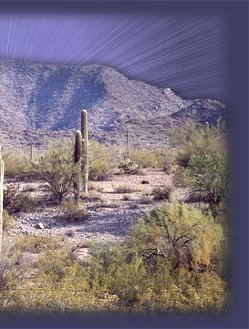
purplemountains2Part of me wants to disappear and drive to the Rockies…fell instantaneously in love with the topography of Colorado when I was driving to Vegas and became simply gobsmacked at the sheer heights and ethereal beauty of our country.

Whenever I travel cross country (which seems quite often these days) I am astounded by the vastness of our great nation….of our highway systems, people traveling….the variety of beauty contained within our nation: when it comes to our citizens, myraid of customs, down to simply watching the miles of roads passing me by.

Reminds me of the song America the Beautiful (used to belt this one out as a kid whenever I had a chance). :^)

O beautiful for spacious skies,
For amber waves of grain,
For purple mountain majesties
Above the fruited plain!
America! America!
God shed his grace on thee
And crown thy good with brotherhood
From sea to shining sea!


O beautiful for pilgrim feet
Whose stern impassioned – stress
A thoroughfare for freedom beat
Across the wilderness!
America! America!
God mend thine every flaw,
Confirm thy soul in self-control,
Thy liberty in law!


O beautiful for heroes proved In liberating strife.
Who more than self the country loved
And mercy more than life!
America! America!
May God thy gold refine
Till all success be nobleness
And every gain divine!


O beautiful for patriot dream
That sees beyond the years
Thine alabaster cities gleam
Undimmed by human tears!
America! America!
God shed his grace on thee
And crown thy good with brotherhood
From sea to shining sea!


O beautiful for halcyon skies,
For amber waves of grain,
For purple mountain majesties
Above the enameled plain!
America! America!
God shed his grace on thee
Till souls wax fair as earth and air
And music-hearted sea!


O beautiful for pilgrims feet,
Whose stern impassioned stress
A thoroughfare for freedom beat
Across the wilderness!
America ! America !
God shed his grace on thee
Till paths be wrought through
wilds of thought
By pilgrim foot and knee!


O beautiful for glory-tale
Of liberating strife
When once and twice,
for man’s avail
Men lavished precious life !
America! America!
God shed his grace on thee
Till selfish gain no longer stain
The banner of the free!

O beautiful for patriot dream
That sees beyond the years
Thine alabaster cities gleam
Undimmed by human tears!
America! America!
God shed his grace on thee
Till nobler men keep once again
Thy whiter jubilee!

By Katherine Lee Bates

Wednesday, June 24, 2009

Getting “to know” the library again

"A new adventure awaits!"

"A new adventure awaits!"

Ever since grade school I have held such an intense fascination for books. They were my form of escape.

Through college I used to live at the library eager to get into my hands a brand new world…reading pages upon pages of the most delicious…exciting adventures…always imagined myself in the position of the heroine.

I miss those days–reading the classics, one of my favorites were those penned by Charlotte and Emily Brontë .

Planning to get a library card and renew my lifelong passion.

Monday, June 15, 2009

The New Nation – Internet Edition

Story Summary:…Even when Dr Abdul Kalam, then President, raised the subject based on my inputs there was no sincere attempt to clarify the position….Technically the tests should be carried out against a non-vaccinated group….Independent private studies (Dutch & German) have revealed that vaccinated children suffer much more than their un-vaccinated counterparts….There are no tests to determine the effects of multiple vaccines….As per senior doctors quoted by the Times of India, Children suffer from less that 2% of vaccine preventable illnesses but 98% of the vaccines are targeted towards them….Children are vaccinated simply because parents can be frightened to forcefully vaccinate their children….Parents have been advised against vaccinating in private clinics and hospitals….Vaccines contain heavy metals, cancer causing substances, toxic chemicals, live and genetically modified viruses, contaminated serum containing animal viruses and foreign genetic material, extremely toxic de-contaminants and adjuvants, untested antibiotics, none of which can be injected without causing any harm….The CDC of USA, the vaccine watchdog, has publicly admitted that its much-publicized 2003 study denying any link between vaccines and autism, is flawed….The Autism epidemic is found only in those countries that have allowed mass vaccinations….In the year 1999, the US Government instructed vaccine manufacturers to remove mercury from vaccines with immediate effect….The brain being made mostly of fat cells, most of the mercury accumulates there giving rise to the peculiar symptoms of the autistic children….As per a Tehelka article on Autism, if one considers the WHO limit for mercury in water, they are receiving 50,000 times the limit….It destroys the brain causing severe memory and attention problems….The majority of symptoms displayed by autistic children match symptoms of heavy metal poisoning….Majority of the school shootings by the children in the USA have been committed by autistic children….As per a recent study the MMR vaccine has an adverse effect on the vital mucosal immune system….The DPT also causes children to regress giving rise to fears that multiple live virus vaccines are an important cause behind autism….Before the autism epidemic, it was already well known that vaccines have caused the cancer epidemic in todays society….This serum has helped many cancer causing monkey viruses, 60 found so far (SV 1 to SV60), to enter the human blood stream….It is also known that it is the use of green monkey serum in vaccines that has led to the transfer of the Simian Immune deficiency Virus (SIV) from monkeys into humans….Infantile jaundice and also infantile diabetes is also scientifically connected to the toxic vaccines….The OPV has also let loose a new strain of polio in both India and Africa….Deaths and permanent disability from vaccines is very common and known by the medical community….They are instructed by the Government to keep quiet and not to associate such cases with vaccines….Suppressing these diseases causes the immune system to remain undeveloped causing the various autoimmune disorders like diabetes and arthritis that have become epidemics today….The mothers milk therefore does not contain natural antibodies and can no longer protect the child against illnesses….In the USA vaccine adverse effects are recorded and the Government offers compensation of millions of dollars to victims (the most recent case in its Vaccine Court may have received upto $200 million in damages)….The Indian Government simply refuses to acknowledge that vaccines can cause deaths and permanent disability….We still do not know enough about the human immune system and therefore should not interfere with it….In India the Government assures the population through massive advertising campaigns that vaccines are extremely safe….Senior medical doctors have challenged even the vaccines recommended by the Government of India….The BCG vaccine for tuberculosis has been extensively tested in India as long back as 1961 and found to be totally ineffective….The Hep-B vaccine introduced recently is not meant for children at all, it is a vaccine for a sexually transmitted disease that should be targeted only at promiscuous adults….The doctors themselves avoid giving the DPT to their children and relatives as per a survey amongst US health care professionals….The Rotavirus vaccine, Hib vaccine, HPV vaccine and the various multi virus vaccines being introduced without any kind of testing is only because the vaccine manufacturers and the doctors administering them want to ensure a good income from them….They care two hoots about medical ethics and the fate of the children who will receive these vaccines….Various independent studies, notably the Dutch and the more recent German study, comparing vaccinated with unvaccinated children have found that vaccinated children are prone to asthma, dermatitis, allergies, hyperactivity etc. The death rate amongst vaccinated children is much more than the unvaccinated ones….The powerful countries can spread lethal epidemics by just polluting the vaccines with bio warfare agents….This is obviously at the instance of foreign (read US) vaccine giants who are shifting base to India reeling at the tremendous opposition to vaccines in US and European countries….The Govt of India is planning a vaccine park at Chennai where these vaccine MNCs will set up base….As per the IOM, USA, vaccine research for a probable link between vaccines and autism should not be conducted….The IOM concluded that efforts to find a link between vaccines and autism must be balanced against the broader benefit of the current vaccine program for all children…

Tuesday, June 9, 2009

Times Online - Science Central - WBLG: The Times Debate: Your Genetic Future

Story Summary:…Kari bridled at this, eyes blazing like lava floes in Giless wonderful phrase, and insisted this was simply untrue….But I sided with Helen on another issue, which provoked a less predictable explosion from Kari and a declaration that I was unimpeachably wrong….This time, Karis ire was inspired by my comment that most genetic effects are probabalistic, not deterministic….Most people wrongly still think of genetics as primarily a deterministic science, a matter of effects that are written in the genes, when genetic influences are usually much more fuzzy….Ownership of one of these does not mean that you will get this disease or that, only that your genetic risk is higher than average….This has to be taken into account when we think about genetic discrimination….It means that assessing somebodys suitability for a job on the basis of their DNA would not only be unfair, but also misguided….This doesnt means that genetic testing will not have great medical utility….It will — not least in identifying higher-risk people who might usefully be screened early for diseases such as breast and prostate cancer….Pick your candidate on the basis of his or her genes, and you stand a very good chance of missing out on the one who would perform best….Mark Hendersonis Science Editor of The Times, and a double winner of the Norwich Union / Medical Journalists Association awards….He is the author of 50 Genetics Ideas You Really Need to Know….He is the author of 50 Genetics Ideas You Really Need to Know….Sam Listeris the Health Editor of The Times….She has a PhD in space physics from Imperial College but has long given up being a proper scientist….She has a PhD in space physics from Imperial College but has long given up being a proper scientist….Read the Full Story

Sunday, June 7, 2009

Come, let's change the life and let's change the world - together - for one and for all!

Will you run with me, enjoying and free?

I promise you, you will lose nothing but for your worries.

Come, let's change the life and let's change the world - together - for one and for all!

Life

I am addressing you...

You - who still are left with some fire within!

Just don't let it extinguish, just keep it burning till you keep running!

But let's stop for a moment and take a close look at the facts of life first; using our gray matter intelligently in order to ascertain what has gone wrong and where.

Come; let's, at least, try to change the life and let's, at least, try to change the world - together - for one and for all!

Even trying is its own fun in itself!

Let's change the world!

...the way we live,

...the way we love,

...the way we learn,

...the way we earn,

...the way we play,

...the way we slay,

...the way we rule,

...the way we fool,

...the way we act,

...and interact,

let's change it all,

and break every wall,

between man and man,

O yes, we CAN!

What has gone wrong, and where?

Life

I lived many years a victim to all the socio-economic pressures on to my psyche that it preys on us with.

But then one fine morning I said enough was enough.

I came out of the maze.

I stepped out of the rat race.

But that didn't mean that I stopped running.

I did that at my own pace.

And surprisingly I discovered I ran faster than I did when I was running to win!

Wednesday, June 3, 2009

Structure For Life

Welcome to Structure for Life, the practice of Erin Herdina, Certified Advanced Rolfer in Minnetonka, Minnesota. I am dedicated to enhancing the health and well-being of my clients through Structural Integration, the science and art of Rolfing.

If you are not yet familiar with Rolfing or Structural Integration, I've provided information About Rolfing that I hope you will find useful:

  1. The Basics of Rolfing
  2. A Video Introduction to Rolfing
  3. Benefits of Rolfing
  4. Getting Started with Rolfing
  5. The History of Rolfing
  6. Rolfing FAQ
  7. More Information

Questions? Need a consultation?

If you have comments or questions about my services, or if you simply want more information, please contact me.

Thank you for visiting and I look forward to working with you.

Sunday, May 31, 2009

Biodiversity

UNESCO: A key actor in the fulfilment of the global biodiversity agenda

Biodiversity
  • ©Ventoux BR
Biodiversity, the variety of life on Earth, is disappearing at an unprecedented and most likely increasing rate. This situation contradicts the international "2010 Biodiversity Target", which aims at significantly reducing the rate of biodiversity loss by 2010. Science and governance for conserving and sustainably and equitably using biodiversity are key elements to decrease the rate of its loss. Since its early days, UNESCO's Man and the Biosphere Programme has initiated programmes and activities focusing on the diversity and the resources provided by nature, humans' impacts on biodiversity, as well as how biodiversity affects human activities. These initiatives are intended to contribute to the fulfillment of a global biodiversity agenda

Friday, May 29, 2009

Special Rapporteur focuses on the right to education of persons in detention


Special Rapporteur focuses on the right to education of persons in detention
  • © UNESCO/Roger, Dominique
  • Kenitra Penitentiary, Morocco
27-05-2009
People in detention constitute a highly marginalized group that faces endemic violations of its right to education, according to a report recently presented to the United Nations Human Rights Council.

The annual report of the Special Rapporteur on the right to education notes that a disproportionate number of persons in prison come from poor, discriminated and marginalized groups.

An estimated 30 percent have learning disabilities. Global statistics suggest that at least 1 million children are detained, of which many have a history of school failure. There is no guarantee, according to the report, of access to education for all children in detention. The report also assesses education programmes for children living in prison with their mothers and draws attention to the status of women in prisons. It details complex educational challenges faced by prisoners, including the absence of educational materials, waiting lists of up to three years for courses, staff shortages, the absence of learning spaces and the withdrawal of educational “privileges” as a punitive measure.

Learning in prison through educational programmes is generally considered a tool of change. Their value can be judged by the impact on recidivism, reintegration and employment outcomes upon release. The report demonstrates an urgent need to redouble efforts to respect, protect and fulfill the right to education. It recommends that public education be made available to all detainees to at least cover the compulsory education curriculum.

Related links

Thursday, May 28, 2009

22 New Sites Join the UNESCO's World Network of Biosphere Reserves

Have a look at the photo gallery below

22 New Sites Join the UNESCO's World Network of Biosphere Reserves
  • ©UNESCO-MAB
  • Geres /Xures BR

The 21st session of the International Coordinating Council of the Man and the Biosphere Programme (MAB-ICC) is held from 25 to 29 May 2009 on the Island of Jeju, Republic of Korea. Today the MAB-ICC decided to add 22 new sites from 17 countries to the UNESCO's World Network of Biosphere Reserves (WNBR) which now counts 553 sites in 107 countries. The new sites include:

Lagunas de Montebello, Mexico, is set in a hydrological region of high biological diversity. Its location - in the area that connects the Highland region of Chiapas and the coastal plain of the Gulf of Mexico, which corresponds to the central massif - makes it particularly important. The karst landscape and more than 50 lagoons of varying sizes give the area its scenic beauty. The site is critically important for water harvesting and climate regulation. Local communities are involved in the management of the site's ecological resources. They practice a range of agricultural activities increasingly focusing on practices compatible with conservation function. For example the traditional coffee production has shifted to organic production with organic conversion of the grain which, together with reforestation and tourism activities have emerged as alternatives which support the sustainable development of the area.

Fuerteventura, Spain, is the second biggest island of the Canaries archipelago, close to the West African Coast. It includes a wide range of ecosystems from desert or semi-desert areas to coastal and marine habitats. While the island is characterized by a rich diversity of marine species, including dolphins and cachalots, as well as marine turtles that reproduce on its beaches, the biosphere reserve also represents one of the world’s major geopalentological observatories. Development of sustainable ecotourism practices is the major focus of the population living on the island. The island is also investing in the increase of its renewable energy capacity, mainly through wind-based and solar energy production and is representing itself as one of the models for the implementation of the European Union's Directive on Renewable Energy.

Flores Island, Portugal, part of the western group of the Azores archipelago, represents the surface part of a seamount close to the Mid Atlantic Riff. It was created by volcanic activity which started less than 10 million years ago. The biosphere reserve includes the whole emerged area of Flores Island and some adjacent marine areas with significant landscape, geological, environmental and cultural assets. High cliffs dominate most of the coastline, which is dotted with islets. The area supports traditional fishing and attracts valuable tourism, specifically for diving, whale and dolphin watching and shore walking.

Delta del Orinoco, Venezuela, is characterized by great biological diversity in its terrestrial and aquatic ecosystems, home to more than 2,000 plant species and a wide array of land and water fauna. The biosphere reserve’s biodiversity is complemented by the cultural wealth of the Warao people. Promoting productive activities within the site creates opportunities to strengthen the Warao communities, secure their settlements and improve their living conditions.

Mount Myohyang, Democratic People’s Republic of Korea, is a sacred site as, according to legend, it was the home of King Tangun, forefather of the Korean people. The scenic mountainous area rises nearly 2,000 metres above sea level. Its spectacular rocks and cliffs provide a habitat for 30 endemic plant species; 16 plant species that are globally threatened and 12 animal species that are also endangered. A wide variety of medicinal herbs also grows in the site.

Shinan Dadohae, Republic of Korea, comprises an island archipelago in the southwest of the country. It includes terrestrial and marine areas as well as large tidal flats, which are home to a great diversity of species and serve as resting places for rare migratory birds. Traditional forms of fishing (e.g. hand-fishing) and salt production are still practiced in this area.

Great Sandy, Australia, a terrestrial, coastal, marine area, features the largest rainforest stand on sand in the world. It includes the natural site of Fraser Island with its freshwater dune lakes, which was inscribed on UNESCO’s World Heritage List in 1992. The local community Burnett Mary Regional Group for Nature Resources Management has promoted the designation of the area as a biosphere reserve fostering ecotourism and niche organic agriculture.

Nokrek, India, is a biological hotspot in the state of Meghalaya featuring undisturbed natural ecosystems and landscapes. Besides harbouring elephants, tigers, leopards and hollock gibbons, the area is also noted for its wild varieties of citrus fruit which may come to serve as a genepool for commercially produced citrus.

Pachmarhi, India, is located in the heart of India, in Madya Pradesh State, and includes tiger and other wildlife reserves. At the interface of several types of forest - tropical, moist and dry as well as sub-tropical hill forests - the area is considered a botanist’s paradise. Through their social and cultural traditions, local tribes contribute to conservation of the forest while drawing on a variety of resources for nutrition, agriculture and income generation.

Similipal, India, is a tiger reserve in the eastern Indian state of Orissa, which used to be the hunting ground of the Maharajah of Mayurbhanj. This tropical environment abounds with tigers, elephants, panthers, deer and numerous plant species, making it a living laboratory for environmental scientists. The area’s tribal inhabitants depend on agriculture, hunting and collection of forest products for their livelihoods but additional sources of income are badly needed to alleviate their poverty.

Giam Siak Kecil – Bukit Batu, Indonesia, is a peatland area in Sumatra featuring sustainable timber production and two wildlife reserves, which are home to the Sumatran tiger, elephant, tapir, and sun bear. Research activities in the biosphere include the monitoring of flagship species and in-depth study on peatland ecology. Initial studies indicate good potential for sustainable economic development using flora and fauna for the inhabitants’ economic welfare. The site is also an interesting experimental area regarding carbon dioxide (CO2) in the context of carbon trade mechanisms.

Mui Ca Mau, Viet Nam, on the southern tip of the country, demonstrates ecological succession systems on new alluvial lands. Its conservation value is further marked by its role as the boundary between mangrove and Melaleuca forests, and as a reproduction and breeding area of marine species. Plans for the sustainable development of the site focus on ecotourism and cultural tourism to showcase the inhabitants’ rich heritage. Training is also planned to improve agriculture and fishing.

Jabal Moussa, Lebanon, is located on the shoulders of the western slopes of the northern Mount Lebanon Chain facing the Mediterranean Sea to the west. It is a relatively large (6,500 ha), wild and unspoiled area protected by municipal laws that aim to conserve its ecological integrity, natural systems and species. Jabal Moussa is renowned for the unspoiled historic Adonis Valley with its ancient agricultural terraces and trails that date back to Roman times. The valley features rivers and streams, rangeland with landraces, mixed forests with oak, pine and olive groves and many economically important plant species, as well as undisturbed wildlife habitats that are home to wolves, hyenas, hyraxes, birds and reptiles.

Lajat, Syria, is located in the southernmost point of Syria on the border with Jordan. The site, known for its extremely diverse biological richness, encompasses some of the most striking landscapes in the region. It offers significant opportunities for developing ecologically sustainable human activity, through existing rotation grazing schemes, landscape restoration and excavations, and development of the Lajat archaeological ruins. Lajat also provides educational opportunities to illustrate the importance of fauna and flora in local life and economy as well as the interdependence of cultural and biological diversity.

Biosphäre Bliesgau, Germany, is applying the concept of the “in-between-city” approach to link two very contrasting landscapes, densely populated and urbanized in the north in the town of St Ingbert, and sparsely populated and rural in the south. It supports extensive ongoing research on ecological changes in its urban, suburban and rural areas in the context of global climate change. The range of activities demonstrating sustainable development, including educational and environmental awareness initiatives, is a source of inspiration for the region. A special Biosphere Association has been established for the site.

Swabian Alb, Germany, is located in the European Jura, with beech forests and extensive orchards as well as pine and spruce forest, grassland and extensive meadows. Close to Stuttgart, it covers a total area of 84,500 ha and has a population of 150,000. Programmes for sustainable development for the biosphere include agriculture and forestry, green businesses and ecotourism, as well as the promotion of local products and cottage industries and there are plans to bolster renewable energy use, notably for transportation. The biosphere includes the Münsingen Military Training Area in the Hilly Alb, an area that was closed to the public during 110 years, until 2005. It remained undisturbed; retaining the characteristics of 18th and 19th century cultural landscapes and is one of the largest noise-free areas in Baden-Württemberg.

Altaisky, Russian Federation, is located in the North-Eastern and Eastern Altaï along major mountain ranges. Noteworthy for its biodiversity and cultural heritage, it covers 3,532,234 ha and is home to 15,000 inhabitants. The core area is a part of the Golden Mountains of the natural UNESCO World Heritage site of Altaï. The site, which cooperates with Ubsunurskaya Kotlovina Biosphere Reserve and the Khakassky national reserve, is important for tourism, including the development of green tourism. Established as a reserve in 1932, it is among the areas of the world least affected by human intervention and has rich flora and fauna. Indigenous populations living in the biosphere’s transitional area include Tubalars, Chelkants, Telengits, Kumandins, Telengits, Kumandins, and Teleuts.

Vhembe, South Afica is world renowned for its rich cultural and biological diversity. It includes northern part of the Kruger National Park, Makuleke Wetlands Ramsar Site, the Soutpansberg and Blouberg bio-diversity hot spots, as well as the Mapungube Cultural Landscape World Heritage Site and the Makgabeng Plateau with more than 1000 rock art sites. Human activities in the site are predominately agricultural, including production of subtropical fruits and vegetables, cattle and game farming and hunting. The Venda, Shangaan and Sepedi people, who are the main population group in the area, have a rich history of traditional indigenous knowledge ranging from wood carving and drum making to traditional healing.

Desnianskyi, Ukraine is located in Eastern Polesie, along the Desna River. With a total surface of 58,000 ha, the site covers a mosaic of ecosystems, including forests, rivers, lakes, flood plains, bogs. It is an important site for environmental research, including monitoring of rare species such as bears and lynx. The main human activities focus on agriculture, forestry, fishery and sport hunting. Main sustainable development activities include organic agriculture and green tourism on the Desna river as well educational activities developed in the context of the ‘Desnianski Zori”ecological camp for schoolchildren. Tranfrontier sustainable tourism is being developed in collaboration with the Russian Federation with efforts to establish a Transboundary Biosphere Reserve between the two countries.

Geres /Xures is a transboundary biosphere reserve situated between Portugal and Spain and established on the basis of the biogeographical continuity of the Sierras Galaico-Miñotas and associated valleys shared by both countries. The importance of the site from an ecological standpoint is due to the richness of forest and peatland ecosystems and a high level of endemic species which had developed under both oceanic and Mediterranean climatic influences. With local communities forming an integral part of the regional landscape, sustainable development centres have been established in the biosphere reserve to support municipalities in their efforts to strengthen the environmental sustainability criteria in local development. With a joint management plan both countries will be able to benefit from each other’s experience and cooperate in the sustainable management of ecosystems and related services of shared characteristics for the benefits of local communities.

Cu Lao Cham – Hoi An,Viet Nam, is a coastal/island/marine site in the central part of the country, which is particularly known for its marine species such as corals, molluscs, crustaceans and seaweed. The biosphere reserve also contains Hoi An, a cultural world heritage site, which is an ancient trading port evidencing the fusion of Vietnamese and European cultures. The linking of cultural assets and natural values in terms of biodiversity, Cu Lao Cham – Hoi An is well poised in promoting sustainable ecotourism.

Tasik Chini, Malaysia, is the country’s first site as a UNESCO designated biosphere reserve. Located in the southern part of the Malaysian peninsula, the site is the water catchment area of Tasik Chini Lake situated in the centre of the biosphere reserve. The lake is a sanctuary for many endemic freshwater species on which intensive research and monitoring is carried out by various research institutions. Handicraft production (such as textiles) around the lake and its tributary rivers are seen to have great development potential for the larger area.

Wednesday, May 27, 2009

World Heritage Committee to meet in Seville to inscribe new sites on UNESCO’s World Heritage List


World Heritage Committee to meet in Seville to inscribe new sites on UNESCO’s World Heritage List
  • Photo © UNESCO/Renato Valterza
  • Seville Cathedral

The World Heritage Committee will consider requests for the inscription of new sites on UNESCO’s World Heritage List when it meets for its 33rd session in Seville, Spain, from 22 to 30 June.

During this year’s session - to be chaired by María Jesús San Segundo, the Ambassador and Permanent Delegate of Spain to UNESCO - 35 States Parties to the World Heritage Convention will present properties for inscription on UNESCO’s World Heritage List. Three of those countries - Burkina Faso, Cape Verde and Kyrgyzstan - have no properties inscribed on the World Heritage List to date.

Thirty new properties in total were submitted for inscription on the World Heritage List this year: 4 natural, 23 cultural and 3 mixed (i.e. both natural and cultural) properties, including 4 transnational nominations. In addition, 7 extensions to properties already listed have been proposed (see list below).
The Committee will also review the state of conservation of the 30 World Heritage properties inscribed on the List of World Heritage in Danger and may decide to add to that list new properties whose preservation requires special attention. The List in Danger features sites which are threatened by a variety of problems such as pollution, urban development, poorly managed mass tourism, wars, and natural disasters, which have a negative impact on the outstanding values for which the sites were inscribed on the World Heritage List.

One of the properties on the List in Danger, the cultural landscape of Germany’s Dresden Elbe Valley, will come under particular scrutiny as the Committee will decide whether to remove the property from the World Heritage List because of the building of a bridge in the heart of the landscape.

To date, the World Heritage List recognizes 878 properties of “outstanding universal value,” including 679 cultural, 174 natural and 25 mixed properties in 145 States Parties.

The Convention encourages international cooperation to safeguard the common heritage of humanity. With 186 States Parties, it is one of the most widely ratified international legal instruments. When signing the Convention, States Parties commit to identifying sites for potential inscription and to preserving sites on the World Heritage List, as well as sites of national and regional importance, notably by providing an appropriate legal and regulatory framework.

The World Heritage Committee, responsible for the implementation of the 1972 Convention, comprises representatives of 21 countries, elected by the States Parties for up to six years. Each year, the Committee adds new sites to the List. The sites are proposed by the States Parties. Applications are then reviewed by two advisory bodies: cultural sites by the International Council on Monuments and Sites (ICOMOS), and natural sites by the International Union for Conservation of Nature (IUCN), which inform the Committee of their recommendations. The International Centre for the Study of the Preservation and Conservation of Cultural Heritage (ICCROM) provides expert advice on conservation and training in restoration techniques.

The World Heritage Committee also examines reports on the state of conservation of inscribed sites and asks States Parties to take appropriate conservation and preservation measures when necessary. The Committee supervises the disbursement of over $4 million annually from the World Heritage Fund, aimed, among other purposes, at emergency action, training of experts and encouraging technical cooperation. UNESCO’s World Heritage Centre is the Secretariat of the World Heritage Committee.

Accredited journalists will be able to attend the opening ceremony of the 33rd session (22 June), which will include the participation of the Chairperson of the World Heritage Committee, representatives of the government of Spain, the Director-General of UNESCO, Koïchiro Matsuura, the President of UNESCO’s General Conference, George N. Anastassopoulos (Greece), and the Chairman of UNESCO’s Executive Board, Olabiyi Babalola Joseph Yaï (Benin). They will be informed of the work and decisions of the Committee in regular press conferences during the Committee session.

Natural properties submitted for inscription to the World Heritage List:
The Wadden Sea (Germany and the Netherlands);
The Dolomites (Italy);
Tubbataha Reefs Natural Park (extension to the Tubbataha Reef Marine Park, the Philippines);
Korean Cretaceous Dinosaur Coast (Republic of Korea);
Lena Pillars Nature Park (Russian Federation).

Cultural properties submitted for inscription to the World Heritage List:
The Architectural and Urban Work of Le Corbusier (Argentina, Belgium, France, Germany, Japan, Switzerland);
City of Graz – Historic Centre and Schloss Eggenberg (Extension to the City of Graz Historic Centre, Austria);
Tangible Spiritual Heritage of St. Euphrosyne of Polotsk (Belarus);
Stoclet House (Belgium);
Cultural property of the historic town of Jajce (Bosnia and Herzegovina);
Gold Route in Paraty and its Landscape (Brazil);
The Ruins of Loropéni (Burkina Faso);
Cidade Velha, Historic Centre of Ribeira Grande (Cape Verde);
Historic monuments of Mount Songshan (China);
Historic town of Grand-Bassam (Côte d’Ivoire);
Sites of Great Moravia: Slavonic Fortified Settlement at Mikulčice – Church of St Margaret of Antioch at Kopčany (Czech Republic and Slovakia);
The Causses and the Cévennes (France);
From the Great Saltworks of Salins-les-Bains to the Royal Saltworks of Arc-et-Senans, the production of open-pan salt (Extension to the Royal Saltworks of Arc-et-Senans, France);
Schwetzingen – A Prince Elector’s Summer Residence – Garden Design and Freemasonic Allusions (Germany);
Shushtar Historical Hydraulic System - Bridges, dams, canals, buildings and watermills from ancient time to present (Iran);
The Triple-arch Gate at Dan (Israel);
Italia Langobardorum. Places of power and worship (568-774 A.D., Italy);
Sulamain-Too Sacred Mountain (Kyrgyzstan);
The Mercury and Silver Binomial on the Intercontinental Camino Real. Almadén, Idrija and San Luis Potosí (Mexico, Slovenia and Spain);
Mehrgarh, Rehman Dheri and Harappa as an extension to the Indus Valley Civilization Sites (Extension to the Archaeological Ruins at Moenjodaro, Pakistan);
Sacred City of Caral-Supe (Peru);
Royal Tombs of the Joseon Dynasty (Republic of Korea);
Church of the Resurrection of Suceviţa Monastery (Extension to the Churches of Moldavia, Romania);
Levoča and the Work of Master Paul in Spiš (Extension to Spišský Hrad and its Associated Cultural Monuments, Slovakia);
Tower of Hercules (Spain);
Seruwila Mangala Raja Maha Viharaya (Extension of the Sacred City of Kandy, Sri Lanka);
Farms and Villages in Hälsingland (Sweden);
La Chaux-de-Fonds / Le Locle, Clock-making town planning (Switzerland);
Pontcysyllte Aqueduct and Canal (United Kingdom).

Mixed properties submitted for inscription to the World Heritage List:
Mount Wutai (China);
Lonjsko Polje Nature Park - A Living Landscape and the Floodplain Ecosystem of the Central Sava Basin (Croatia);
The Cultural Landscape Orheuil Vechi (Republic of Moldova).

Please note that States Parties can withdraw a nomination request before the start of the Committee meeting.

Monday, May 25, 2009

Jean Michel Jarre acts as Master of Ceremonies for the Global Launch of the International Year of Astronomy (2009)

Mr Jean Michel Jarre during the ceremony.jpg

10-05-2009 2:25 pm Mr Jean Michel Jarre, UNESCO Goodwill Ambassador, served as Master of Ceremonies the Global Launch ceremony of the International Year of Astronomy(2009), which took place at UNESCO Headquarters on 15 and 16 January.Mr Jean Michel Jarre during the ceremony.jpg

The Year, a joint initiative of UNESCO and the International Astronomical Union (IAU), which was proclaimed through Resolution 62/200 adopted by the United Nations General Assembly in December 2007, has the ultimate aim of encouraging citizens of the world, especially young people, to rediscover the universe in which we live and to promote widespread access to the basic sciences and to increase scientific literacy, especially among youth. The Year also aims to promote the role of women in astronomy and the sciences and help developing countries strengthen their capacity in the astronomical sciences.

Also participating in the Global launch opening ceremony were Mrs Catherine Cesarsky, President of the IAU, Mr Reynald Seznec President and CEO of Thales Alenia Space, and Mr Giuseppe Pizza, Vice-Minister for Education, Universities and Scientific Research of Italy.

In his opening address, Mr Matsuura, Director-General of UNESCO, began by noting that “the celebration of the International Year of Astronomy (IYA) is the culmination of the vision and hard work of many partners.” He continued by paying tribute to the IAU, whose leadership had been instrumental in making this vision a reality.

He highlighted that the Year provides us with a fantastic opportunity to expand the knowledge and understanding of the universe, its stars and planets, and their link to and impact on our daily life, and enable all people to explore the wonders of the universe and appreciate the benefits of its study for society

There are quite a few events taking place throughout the Year, notably the eleven cornerstone projects. These projects are comprised by such events as the worldwide observation of “100 Hours of Astronomy”, a round-the-clock awareness-raising event spanning all the continents and scheduled to take place from 2 to 5 April, and the “Dark Skies Awareness” project, which aims to preserve and protect dark night skies in places such as urban cultural landscapes, national parks and sites connected with astronomical observations.

Mr Matsuura highlighted UNESCO's thematic initiative, “Astronomy and World Heritage”, whose main objective is to establish a link between science and culture and acknowledging the cultural and scientific values of properties connected with astronomy. The Director-General ended his intervention by underscoring that the sky belonged to all of mankind, regardless of beliefs and religions and was therefore a tool for peace and understanding among the peoples of the Earth.

Sunday, May 24, 2009

NESCO Publications

UNESCO Publications
  • © UNESCO
UNESCO publications consist of substantive material published for external audiences. They concern a variety of media, including print, electronic and multimedia, and include both free
Publications and Distribution Plan – overview 2008 and 2009

The following resources provide easy to consult information on UNESCO publications issued in 2008 and planned for 2009:

Publication and Distribution Plan – Titles published in 2008 (PDF, 25 p): key information about publications issued in 2008

Publication & Distribution Plan – Titles to be Published in 2009 (PDF, 25 p): key information about publications planned for 2009

UNESDOC@lerts Publication: on this page, you can subscribe to the UNESDOC Publication Plan alert, which gives you personalized access to information on new UNESCO publications.

New biosphere reserves to be announced


New biosphere reserves to be announced
  • © Paul Swee

The 21st session of the International Coordinating Council of the Man and the Biosphere Programme (MAB-ICC) will be held from 25 to 29 May on the Island of Jeju, Republic of Korea. The MAB-ICC will review progress made since the Madrid Action Plan (MAP) for Biosphere Reserves was adopted at its 20th session in Madrid, Spain in February 2008 and decide on proposals for the future of the Programme. Among the decisions, new sites will be added to the UNESCO's World Network of Biosphere Reserves (WNBR).

Thirty-six proposals from 25 countries* will be examined by the MAB-ICC. Selected sites will join the Network that currently comprises 531 sites in 105 countries.

Biosphere Reserves are areas designated by local and national authorities to serve as places to test different approaches to integrated management of land, water and biodiversity. As such, Biosphere Reserves are being promoted as working models for sustainable development, as a specific MAB contribution to the UN Decade of Education for Sustainable Development (2005-2014).

The award ceremony for the winners of the US$6,000 2009 Michel Batisse Award for Biosphere Reserve Management - Boshra Salem (Egypt) and Gorshkov Yu (Russian Federation) – will also take place during the MAB Council meeting.

Launched in the early 1970s, the Man and the Biosphere Programme (MAB) develops the basis and proposes an interdisciplinary research agenda, within the natural and the social sciences, for the sustainable use and conservation of biological diversity, and for the improvement of the relationship between people and their environment globally. It uses its World Network of Biosphere Reserves as a vehicle for knowledge-sharing, research and monitoring, education and training, and participatory decision-making.

***

* Australia, Brazil, Chile, Democratic People’s Republic of Korea, Finland, Germany, India, Indonesia, Iran, Lebanon, Malaysia, Mexico, Mongolia, Portugal, Republic of Korea, Russian Federation, Slovenia, South Africa, Spain, Syria, Ukraine, United Kingdom, Venezuela, Viet Nam, Zimbabwe